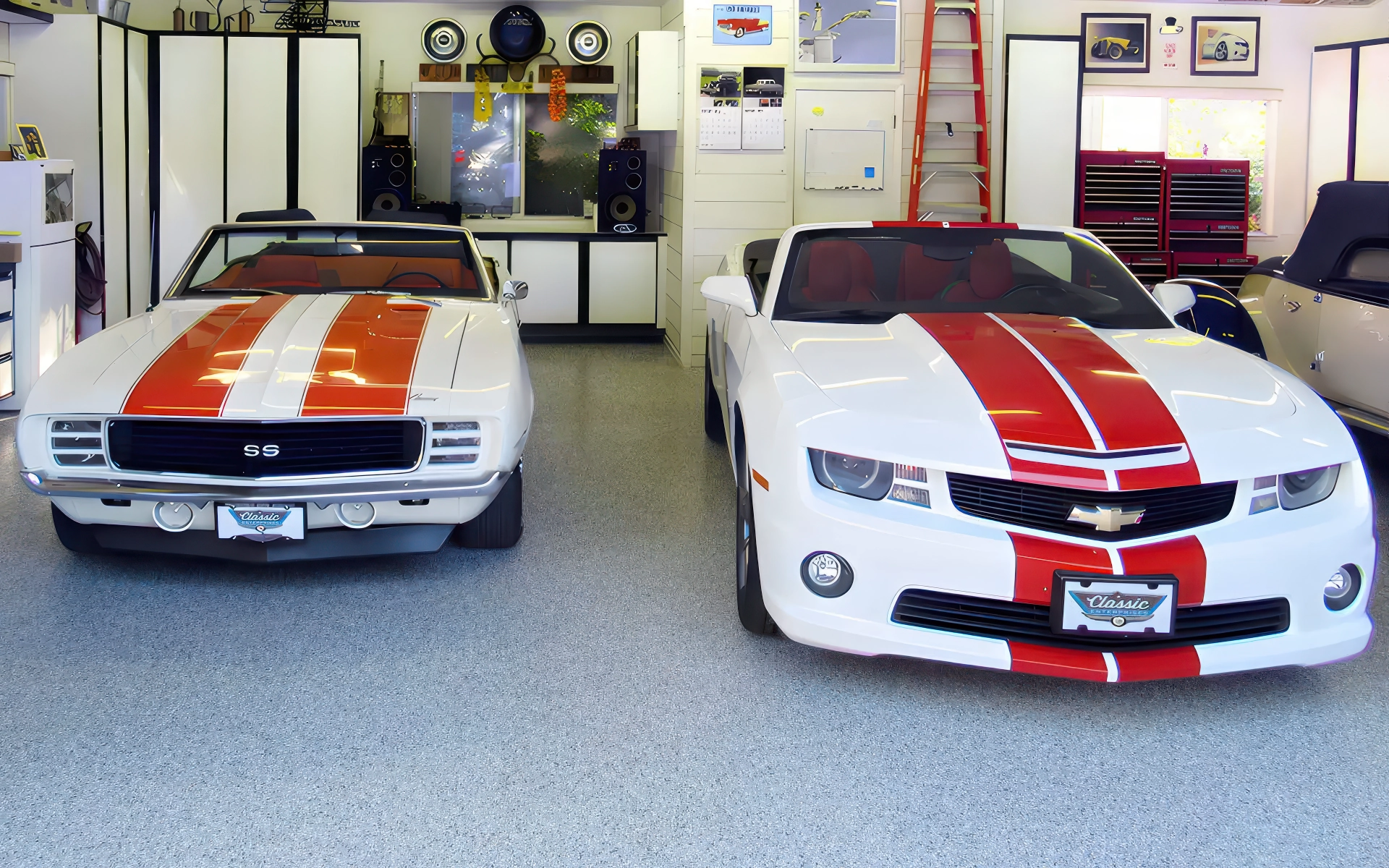
Protect concrete under daily industrial use. Industrial epoxy flooring gives busy work areas a stronger, cleaner, more dependable surface over properly prepared concrete. California Custom Coatings installs industrial epoxy flooring in Sacramento and throughout Northern California for spaces that need more than a basic floor coating.
Need a Tougher Work Floor?
We help you choose an epoxy system that fits your traffic, cleaning needs, and working conditions.
What is Industrial Epoxy Flooring?
Industrial epoxy flooring is a resin-based floor system applied over prepared concrete to create a hard-wearing surface. It is used in places where bare concrete is prone to dust, stains, absorbing spills, or wearing down under traffic and equipment.
The system can be built in different thicknesses, textures, and finish styles depending on how the floor will be used. Some projects need a smooth, easy-to-clean coating, while others need a thicker build, added traction, or extra resistance to impact and abrasion.
Where It Works Best
Industrial epoxy flooring is a strong fit for work areas that need durable concrete protection and easier upkeep.
- Warehouses and storage areas
- Manufacturing and production floors
- Auto service and repair spaces
- Machine shops and fabrication areas
- Loading zones and high-traffic aisles
- Commercial utility and maintenance rooms
Built for Daily Demands
End-users select industrial epoxy flooring to protect their concrete against the effects of traffic, tool usage, cart and equipment movements, and repetitive cleaning cycles. In addition, the correct selection of an industrial epoxy system significantly reduces dust generation by the concrete, allows for easier cleanup of spills, enhances the overall aesthetic quality of the workspace, and, when required, provides improved footing in areas where water/oil/process fluids may exist. The ultimate goal of Industrial Epoxy Flooring is to provide a floor surface that matches the actual operating parameters of the facility.
Common industrial epoxy design options include:
- Increased build thickness for heavy use
- Added texture to provide additional traction
- Solid color(s) for defined work zones
- Additional topcoat layer(s) to enhance wear-resistance
- Review of moisture conditions prior to installation to determine if necessary
Installation Process
Each project starts with the condition of the concrete and the demands of the space.
- The concrete is thoroughly cleaned and prepared to ensure a strong adhesive bond to the epoxy.
- Any cracks or damaged surfaces are evaluated and repaired as needed prior to the application of the coating.
- Moisture concerns are checked when the slab or building conditions suggest they may affect performance.
- One or more “base” or “build” coats are applied to develop the desired thickness and level of protection for each individual space.
- Texture, color, and topcoat layers are added based on the use of the floor and expected return-to-use needs.
Maintenance and Long Term Performance
To achieve optimal performance from an industrial epoxy floor surface, consistent cleaning schedules are recommended. Regular removal of dirt, grit, spills, and other debris will reduce wear-and-tear. High-traffic areas, wet locations, and turning zones will generally exhibit wear earlier than lesser-used areas; therefore, proper selection of texture and topcoat in the design phase will assist in maximizing long-term performance.
Frequently Asked Questions
Here are practical answers to common questions about industrial epoxy flooring.
How is industrial epoxy flooring different from standard epoxy?
Typically, an industrial epoxy flooring system has been designed for much heavier use, more frequent cleaning, and longer wear than a general-purpose decorative coating. Depending on the demands placed on the floor area, the system may include multiple coatings of varying thicknesses, topcoats, and textures.
Can epoxy flooring withstand forklifts and equipment?
If an industrial epoxy system was designed specifically for such use, then yes, it is suitable for areas utilizing carts, pallet jacks, forklifts, and other equipment. Factors affecting longevity include: the initial condition of the concrete substrate, total coating thickness, topcoat selection, and floor traffic patterns.
Is epoxy flooring slippery?
The slip-resistance characteristic can be engineered into either a textured or non-textured floor finish. Smooth floors are typically less difficult to clean; however, textured floors help provide more stable footing in wet or greasy environments. Ultimately, a satisfactory balance depends on both how the space operates and how it is maintained.
Does the existing concrete need repair first?
Often, yes. Cracks, pitting, surface damage, and weak concrete should be addressed before the epoxy system is installed. Good concrete prep and repair help the coating bond better and create a more reliable finished floor.
Plan Your Industrial Epoxy Floor
Contact California Custom Coatings to discuss your flooring project. Our experts will help you choose the coating and additional thickness, texture, or color you need for your specific space in Northern California.