Concrete

What is a mil?

Epoxy coatings used for concrete flooring can be measured in fractions of inches, like the term one-quarter inch. In the epoxy industry, however, a common measurement system is based on the mil. One mil equals one-thousandth of an inch. How wide is that? Comparing...

read more...

What is Crazing?

Cracks in concrete can be measured on a spectrum of severity. At the worst end, you have the kind of crack that forms when the ground settles underneath a slab and part of the concrete sinks far below the rest of it. That’s a serious crack and entails a major repair....

read more...

Why Concrete Fails: Abrasion

β€œMany industrial floors are subjected to abrasion by steel or hard rubber wheeled traffic, which can cause significant rutting.”—Portland Cement Association Abrasion is the simple act of one object rubbing against another. For example, in a sandstorm, sand particles...

read more...

Why Concrete Fails: Carbonation

Carbonation is something we typically associate with sodas, soft drinks and beer. Just as carbon dioxide penetrates some of our favorite liquids and creates effervescent bubbles, it can also penetrate the pores of concrete, directly from the surrounding air. When it...

read more...

Why Concrete Fails: Corrosion

β€œCorrosion of reinforcing steel and other embedded metals is the leading cause of deterioration in concrete.” β€” Portland Cement Association Concrete is one of the most commonly used construction materials and is present it nearly every Sacramento home. Protecting your...

read more...

How Concrete is Made

The terms concrete and cement are commonly interchanged when describing a solid surface made from these substances. If your neighbors need a new patio, whether they tell you it’s going to be made of cement, or they call it a concrete patio, your vision of the finished...

read more...
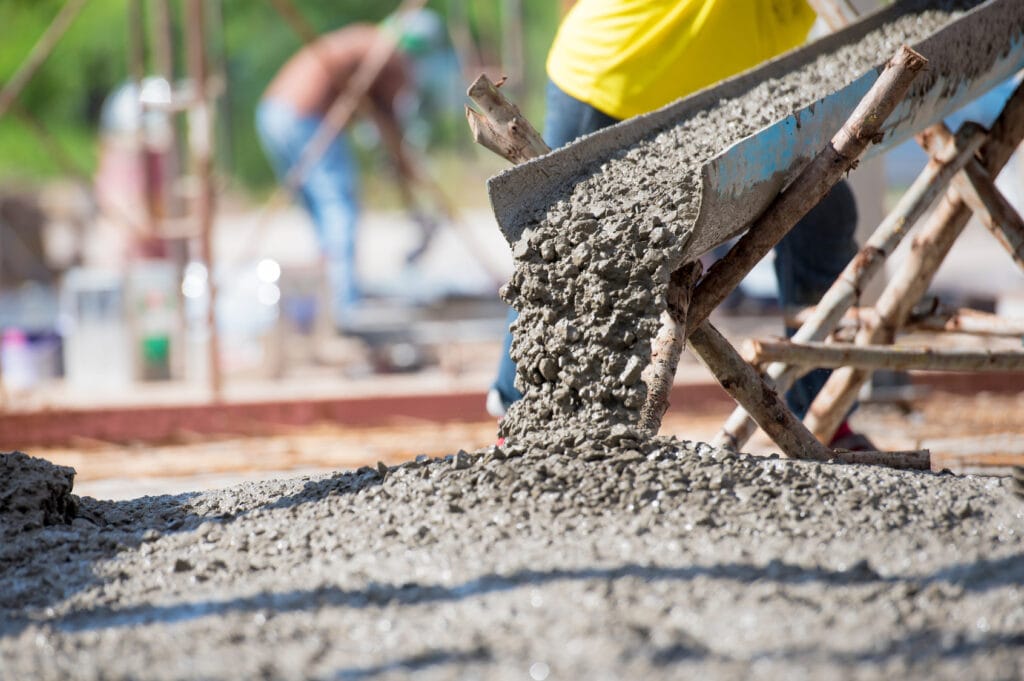
A detailed image of wet concrete being poured from a wheelbarrow onto a construction site, with workers in the background actively involved in the process. The concrete is heaping and spreading, with its rough texture visible, indicative of ongoing construction and building foundations using cement.

What is Cement Made From?

Many think that cement is a raw material, like coal or iron, dug up out of the ground. In fact, cement is actually manufactured from other raw materials. According to the Portland Cement Association*, a British bricklayer made the first modern cement in his home...

read more...
Underwater action shot of a female swimmer mid-stroke in a pool containing chlorine or chlorides, her body angled forward and arm extended. She wears a dark swimsuit, swim cap, and goggles, creating ripples and bubbles in the clear blue water around her, capturing the dynamism and focus of competitive swimming.

Protecting Concrete From Chlorides

Lately California Custom Coatings has discussed various substances that cause damage to concrete with consistent exposure. For this article, we focus on chlorides. The Portland Concrete Association writes: β€œNo other contaminant is documented as extensively in the...

read more...
Illuminated restroom sign mounted on a wall, featuring iconography for both male and female facilities. The sign has a warm yellow backlight and is designed with a brown background and white gender symbols, clearly indicating the location of restrooms in a public or commercial setting.

Protecting Concrete From Sewage

Sixth in a series about common causes of concrete deterioration. Sewage is one of those things we do not want to see or smell, but dealing with it properly is essential for a healthy, functioning society. That’s why we have rooms and buildings dedicated to...

read more...
A round outdoor thermometer partially embedded in fresh snow, with the needle indicating a temperature around the freezing point. The thermometer has a clear, legible scale with red and blue color coding for temperature degrees in Celsius, providing a visual contrast against the white snowy background.

Protecting Concrete Floors From Freezing

Fifth in a series about common causes of concrete deterioration. Most of California is fortunate when it comes to freezing weather. In Southern California, for example, freezing weather is seldom seen. In Northern California, a number of sub-freezing days are...

read more...
A close-up image capturing the vibrant stream of red wine being poured into a tilted clear wine glass. The background softly blurs a selection of wine bottles, emphasizing the action and the rich color of the wine, with bubbles visible near the surface, suggesting a fresh pour.

Protecting Concrete Floors: Wine

This is the fourth in a series of articles about substances that can damage concrete. Wine is the oldest alcoholic beverage. Fermented grape juice has a long history and its manufacture is very important to the Northern California economy and our enjoyment of the many...

read more...
Golden motor oil pouring from a plastic container against a blurred background, showcasing the viscosity and smooth flow of the lubricant with a warm color tone that emphasizes its texture and use in machinery maintenance.

Protecting Concrete Floors: Oil

This is the first article in a series about common substances that attack and destabilize concrete. Concrete is an alkaline substance, chiefly due to its primary component, cement. Therefore, if concrete is exposed to acids, it starts to break down. There are many...

read more...
A man in a business suit stands at a crossroads, with one road curving to the left and the other to the right, symbolizing a metaphor for decision-making and choice between floor sealers. The man's back is to the viewer, hands clasped behind him as he contemplates the diverging paths ahead under a dramatic sky.

Epoxy or Acrylic Sealers?

California Custom Coatings provides a variety of services to restore, protect and beautify concrete in the Sacramento and Northern California area. While doing so, we use both acrylic and epoxy sealers. What are the differences between these two products and where are...

read more...

Real Stories of Long-Lasting Concrete Coatings

yelp
Winnie T.
October 23, 2024

We had California Custom Coating installing epoxy for our 2 car garage floor a few months ago. The process to get an estimate and for installation was simple and quick. It took them a couple mornings to complete the floor, however, we had to wait for almost a week for the coatings to be cured before we could park our cars. The garage now looks very nice, and it's easy to take care of.

yelp
Don S.
September 14, 2018

California Custom Coatings finished my garage floor with Lanai Gray Polyaspartic Hybrid Polymer. The result was so beautiful I hated to fill the garage with all my stuff. Everybody who saw the floor loved it. One neighbor commented it looked better than his granite counter top.In addition to the appearance I appreciate how easy it is to clean. I live in a new development where construction is ongoing. Dust is a constant companion. That was a major factor in my decision to go with epoxy.John's crew did a great job. They were courteous, professional, and neat. The dust collection system they used was very effective. The price was very competitive.Emptying my garage and then putting everything back was a major chore but I am glad I did it. Now I will have a great looking and easy to care for floor for many years.

yelp
J O.
September 26, 2018

We just bought a new home. Garage floor needed some attention. California Custom Coatings epoxied the floor before we moved in. Everything worked out perfect, we arrived to a beautiful floor. Thank You. We will see you again...