Epoxy Flooring Tips & Resources


What is a mil?
Epoxy coatings used for concrete flooring can be measured in fractions of inches, like the term one-quarter inch. In the epoxy industry, however, a common measurement system is based on the mil. One mil equals one-thousandth of an inch. How wide is that? Comparing...
What is Crazing?
Cracks in concrete can be measured on a spectrum of severity. At the worst end, you have the kind of crack that forms when the ground settles underneath a slab and part of the concrete sinks far below the rest of it. That’s a serious crack and entails a major repair....
Why Concrete Fails: Abrasion
“Many industrial floors are subjected to abrasion by steel or hard rubber wheeled traffic, which can cause significant rutting.”—Portland Cement Association Abrasion is the simple act of one object rubbing against another. For example, in a sandstorm, sand particles...
Why Concrete Fails: Carbonation
Carbonation is something we typically associate with sodas, soft drinks and beer. Just as carbon dioxide penetrates some of our favorite liquids and creates effervescent bubbles, it can also penetrate the pores of concrete, directly from the surrounding air. When it...
Why Concrete Fails: Corrosion
“Corrosion of reinforcing steel and other embedded metals is the leading cause of deterioration in concrete.” — Portland Cement Association Concrete is one of the most commonly used construction materials and is present it nearly every Sacramento home. Protecting your...
How Concrete is Made
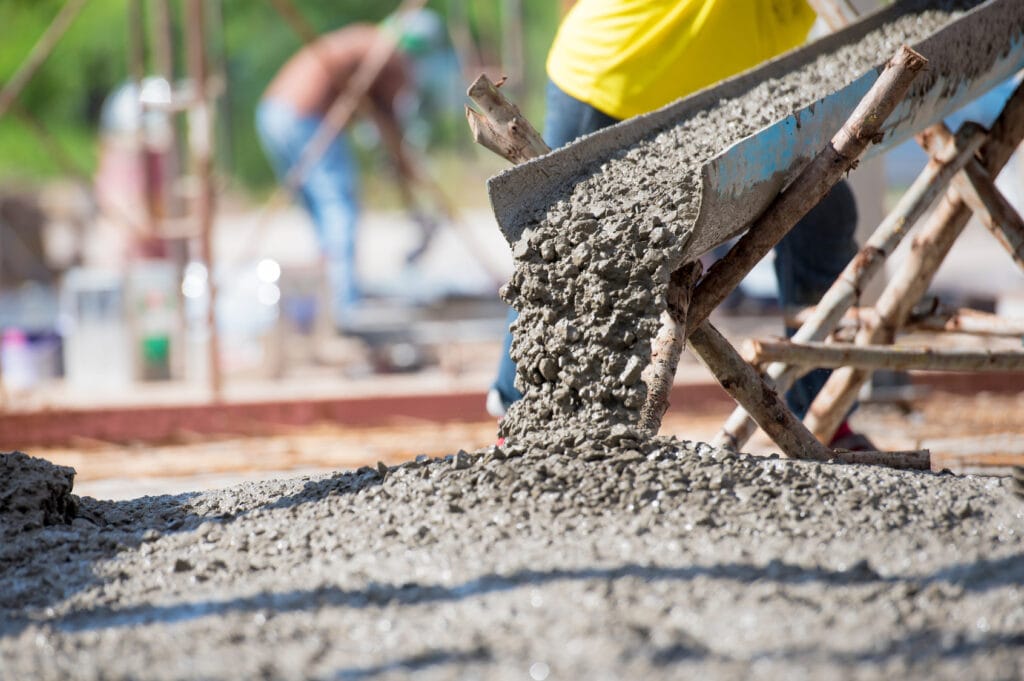
The terms concrete and cement are commonly interchanged when describing a solid surface made from these substances. If your neighbors need a new patio, whether they tell you it’s going to be made of cement, or they call it a concrete patio, your vision of the finished...
What is Cement Made From?
Many think that cement is a raw material, like coal or iron, dug up out of the ground. In fact, cement is actually manufactured from other raw materials. According to the Portland Cement Association*, a British bricklayer made the first modern cement in his home...
Know Your Coves
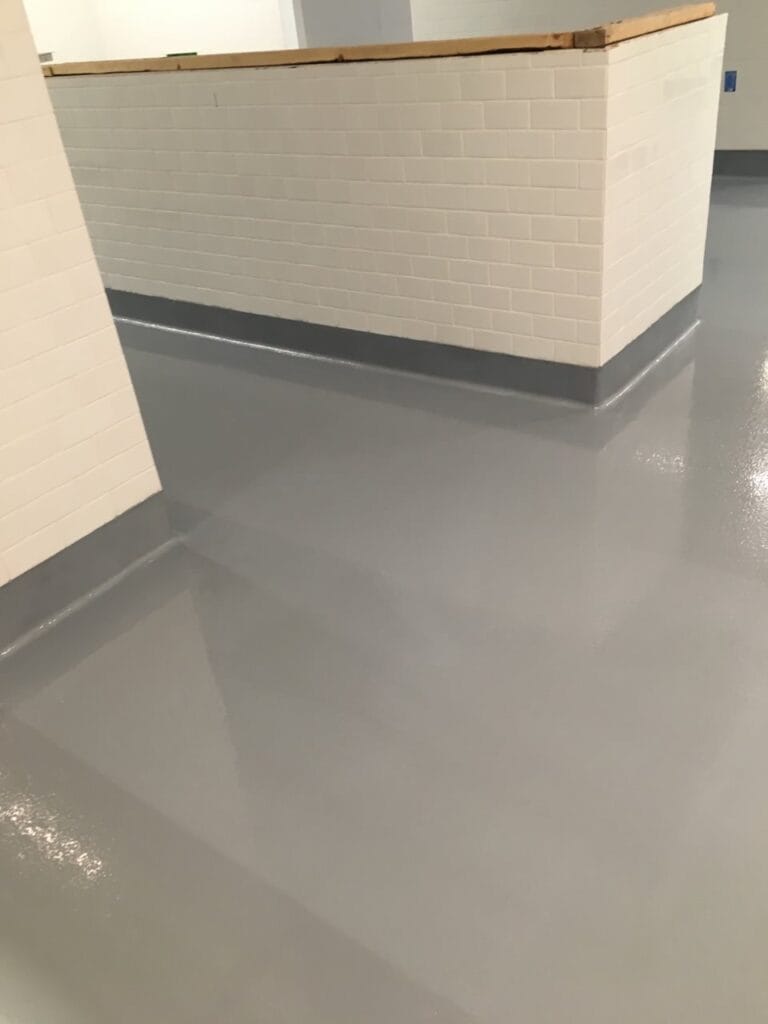
When an epoxy coating is applied to both the floor and the walls of a room, the epoxy along the wall is called the cove. Coves come in three major types and various widths, based on the designer’s specifications or an owner’s preferences. Here we explain the options...

Protecting Concrete From Chlorides
Lately California Custom Coatings has discussed various substances that cause damage to concrete with consistent exposure. For this article, we focus on chlorides. The Portland Concrete Association writes: “No other contaminant is documented as extensively in the...

Protecting Concrete From Sewage
Sixth in a series about common causes of concrete deterioration. Sewage is one of those things we do not want to see or smell, but dealing with it properly is essential for a healthy, functioning society. That’s why we have rooms and buildings dedicated to...
Protecting Concrete Floors From Freezing
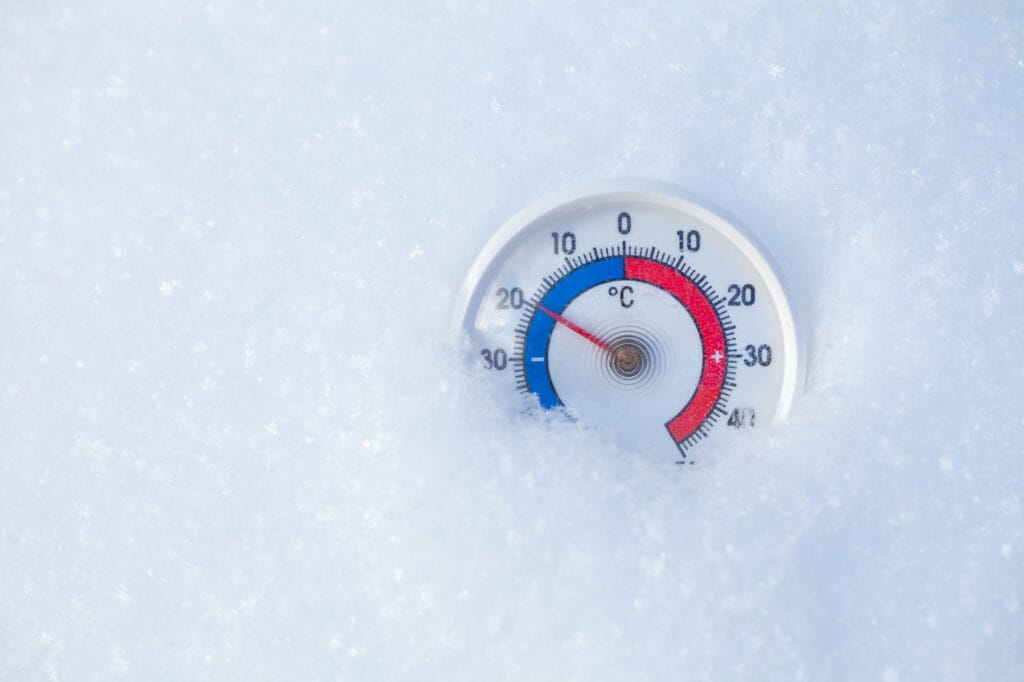
Fifth in a series about common causes of concrete deterioration. Most of California is fortunate when it comes to freezing weather. In Southern California, for example, freezing weather is seldom seen. In Northern California, a number of sub-freezing days are...

Protecting Concrete Floors: Wine
This is the fourth in a series of articles about substances that can damage concrete. Wine is the oldest alcoholic beverage. Fermented grape juice has a long history and its manufacture is very important to the Northern California economy and our enjoyment of the many...

Protecting Concrete Floors: Alcoholic Beverages
This is the third in a series on substances that can damage concrete floors. With the boom in craft brewing, the idea of visiting a neighborhood brewery is now a reality in Sacramento and Northern California. Many of these friendly and welcoming establishments are...
Protecting Concrete Floors: Sour Milk
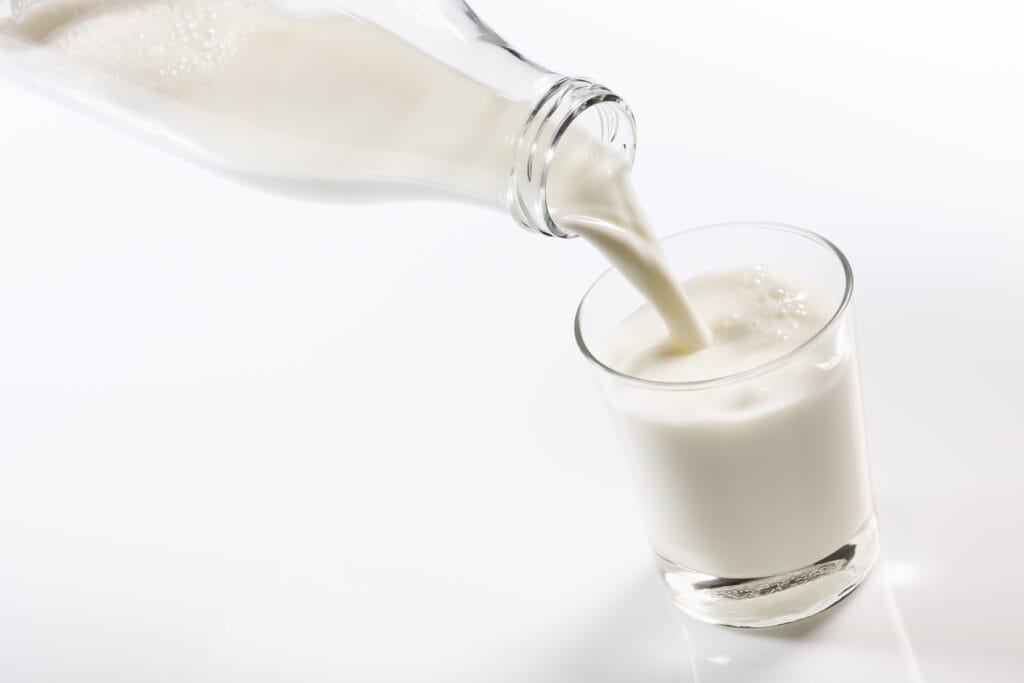
The second in a series of articles on substances that damage concrete floors. The typical homeowner does not see a lot of sour milk. For other locations, however, there may be spilled sour milk to cry over. Where sour milk is common, damage to concrete is possible....

Protecting Concrete Floors: Oil
This is the first article in a series about common substances that attack and destabilize concrete. Concrete is an alkaline substance, chiefly due to its primary component, cement. Therefore, if concrete is exposed to acids, it starts to break down. There are many...
Trusted Concrete Coating Testimonials





The entire process, from quote to completion of job, was simple, thorough and professional. John was proactive in every aspect of communication including when he was on his way, what the timelines would be once work started and when we could place our items back in the garage. Both John and Josh epitomized professionalism and were extremely detailed as they prepped, cleaned and finished the floor. We are extremely pleased with the finished product and highly recommend them.